If you’re eyeing a Colorado driver’s license, the first hurdle is the written “knowledge test.” Administered by the Colorado Department of Motor Vehicles (DMV), this exam checks whether you understand road signs, rules, and safety practices before you’re allowed to hit the road. Passing it not only earns you a license, it gives you confidence in the traffic system and helps keep Colorado’s highways safer.
What exactly is the Colorado Driving Knowledge Test?
The test is a computer‑based multiple‑choice quiz that covers the same material found in the Colorado Driver Handbook. It typically contains 50 questions, and you have 70 minutes to complete it. A passing score is 80%, which means you need to get at least 40 questions right. The DMV offers the exam in several languages, and you can schedule it online or in person at a local office.
Which topics will you face?
- Road Signs & Signals – Recognize and interpret standard, warning, regulatory, and informational signs.
- Right‑of‑Way Rules – Know who comes first at intersections, roundabouts, and pedestrian crossings.
- Speed Limits & Safe Driving Practices – Understand how speed limits change with weather, lighting, and vehicle type.
- Traffic Laws & Penalties – Be aware of DUI laws, seat‑belt requirements, and consequences of traffic violations.
- Special Vehicle Rules – Learn about electric vehicles, motorcycles, and large trucks, including how to drive them safely.
How can you prepare for success?
- Read the Colorado Driver Handbook thoroughly – it’s the official source of all rules and examples.
- Take free practice tests available on the DMV website and third‑party sites. These mimic the format and timing of the real exam.
- Focus on the “most frequently tested” sections: road signs and right‑of‑way rules. They carry the highest question density.
- Practice with flashcards for key terms like “no‑passing zone” and “stop‑and‑yield.”
- Schedule the test after you’ve completed a driver‑education course, if you’re under 18. The course reinforces the same material you’ll see on the test.
What happens if you don’t pass on the first try?
Colorado allows up to four attempts within a year of your first test. After each failed attempt, you must wait 30 days before retaking the exam. If you fail all four attempts, you must wait one year before attempting again. That means there’s an incentive to study carefully before the first try.
Can I use an electric vehicle for the test?
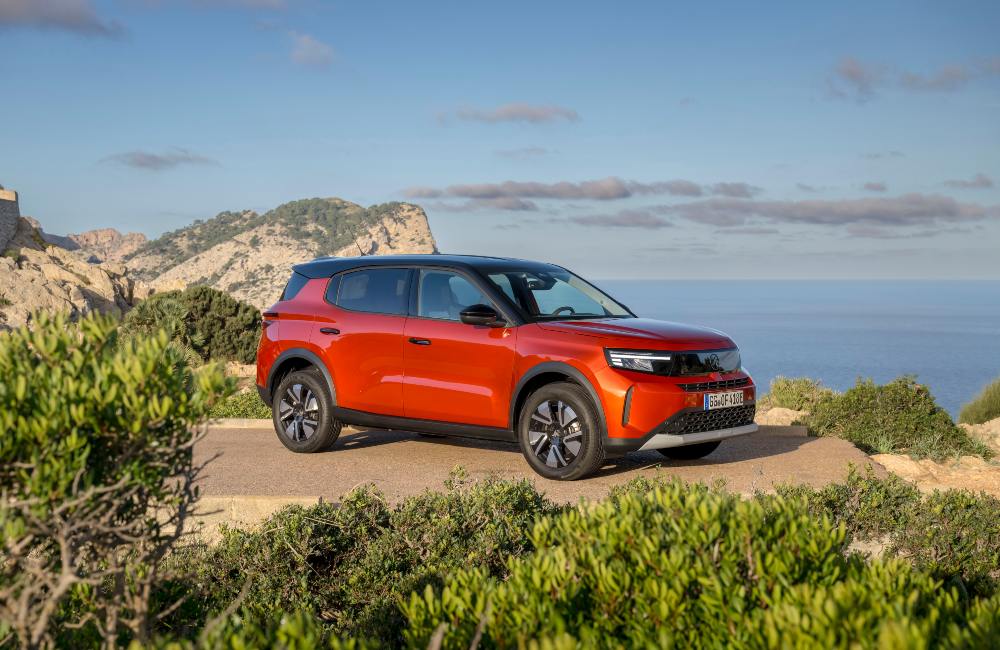
While the knowledge test itself is computer‑based and does not involve driving a vehicle, many applicants practice the test on an electric car to get comfortable with the vehicle’s unique features. An electric vehicle (EV) can be a useful study tool because it highlights key safety points—like the importance of monitoring battery range and using regenerative braking. Below is a snapshot of a modern electric SUV that’s commonly seen on Colorado roads.
What are the costs and logistics?
The fee for the knowledge test is $5 when taken online and $10 for in‑person testing. No additional fee is required for the driving portion of the exam, which is scheduled separately at a DMV office or a licensed driving school. Be sure to bring a valid photo ID and proof of residency if you’re testing in person.
Why should you care about passing the test?
Beyond the legal requirement, a solid grasp of Colorado’s road rules reduces the likelihood of costly tickets, accidents, and insurance hikes. Knowing what to look for on the road also means you can anticipate hazards—like sudden braking by a delivery truck or a child crossing a sidewalk—before they become a problem.
What should you avoid when studying?
- Skipping the handbook – The handbook is the definitive source; online summaries often omit nuances.
- Relying solely on memory tricks that don’t cover the depth of each topic.
- Assuming that a single practice test guarantees success; it’s best to review all sections thoroughly.
In short, the Colorado Driving Knowledge Test is a straightforward, structured way to verify that you’re ready for the state’s traffic environment. By studying the handbook, using practice exams, and understanding the key topics, you’ll be well‑prepared to pass on your first attempt and start driving responsibly.